
Properties for Rent in Split
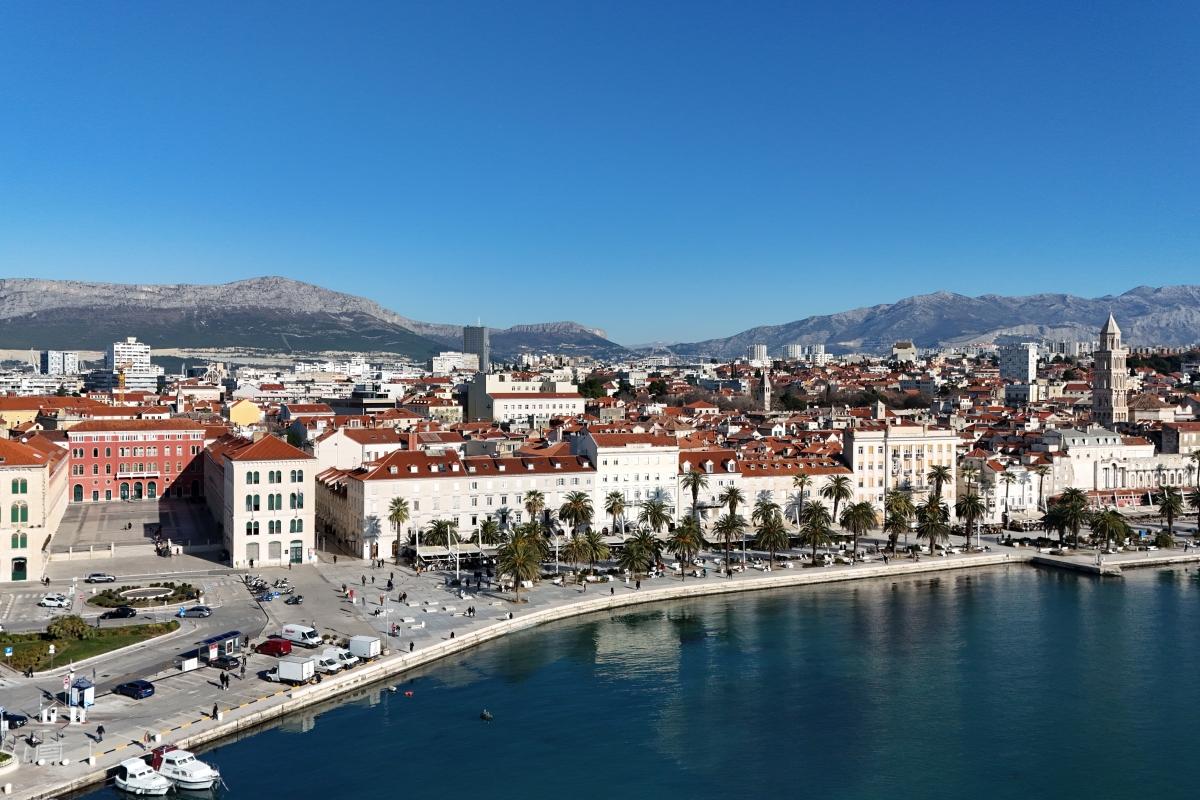
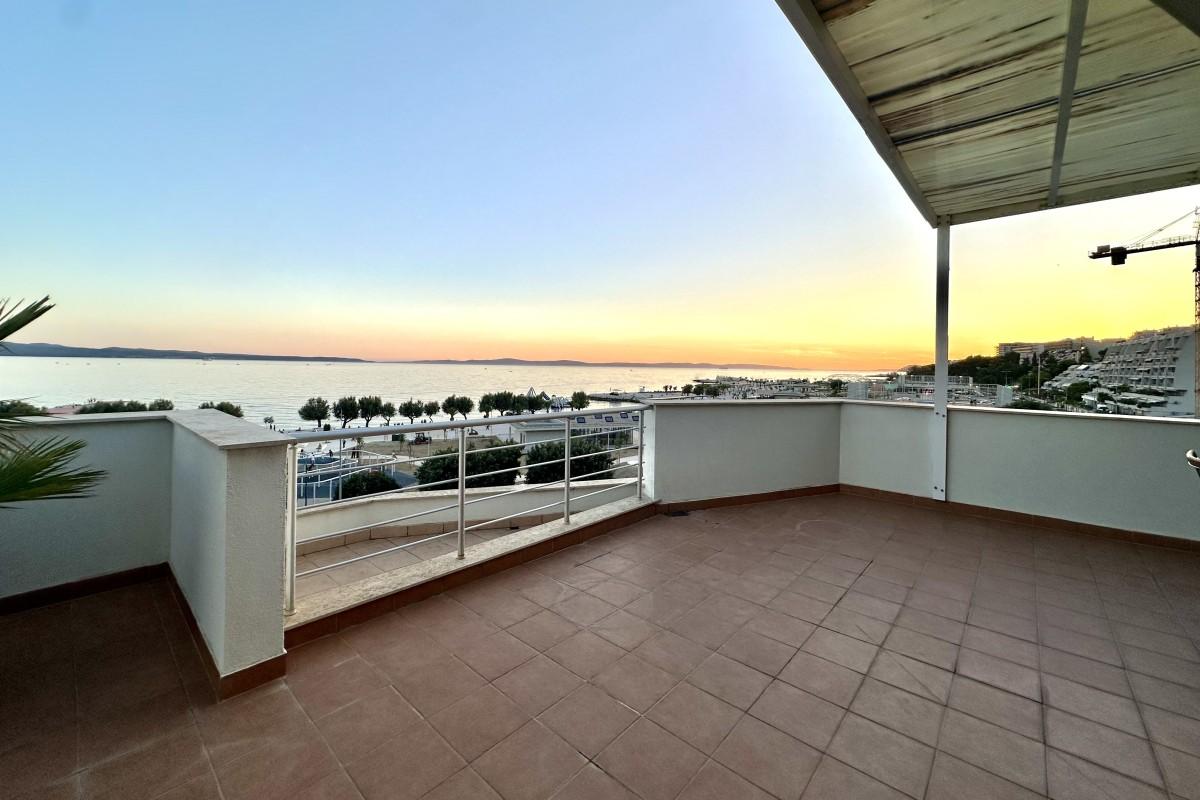
Split is a city that lives all year round, making it an excellent choice for renting a property on the Adriatic. Whether you are looking for a flat for long-term rent, an apartment with a sea view or office space, our offer covers a variety of property types in the Split area.
If you are also interested in buying a property in this area, browse properties for sale in Split.
Search results
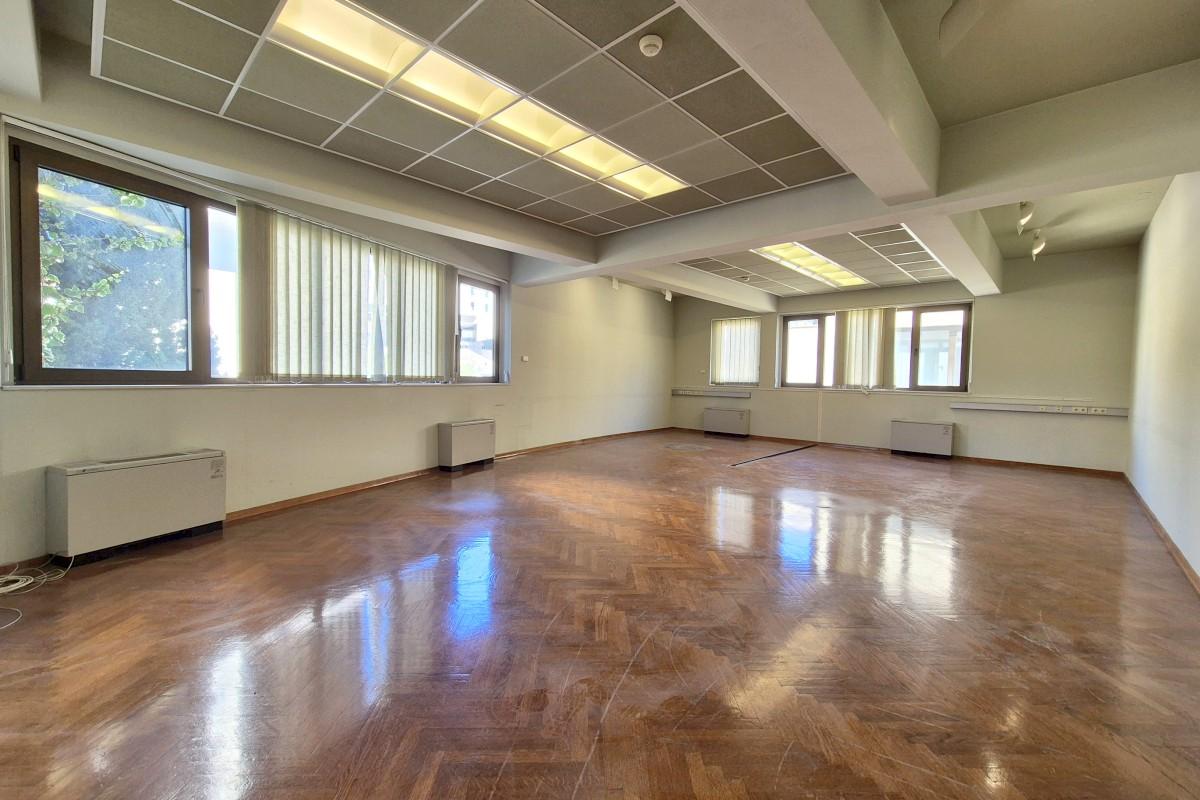
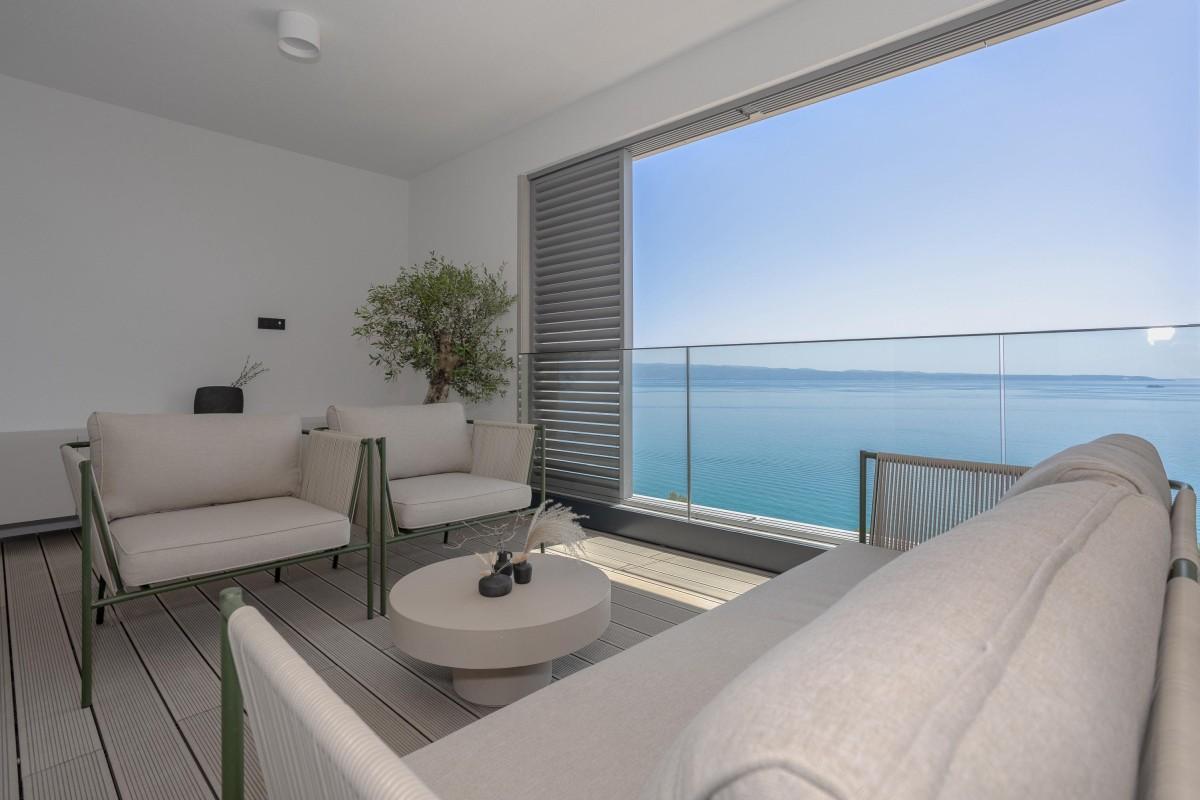
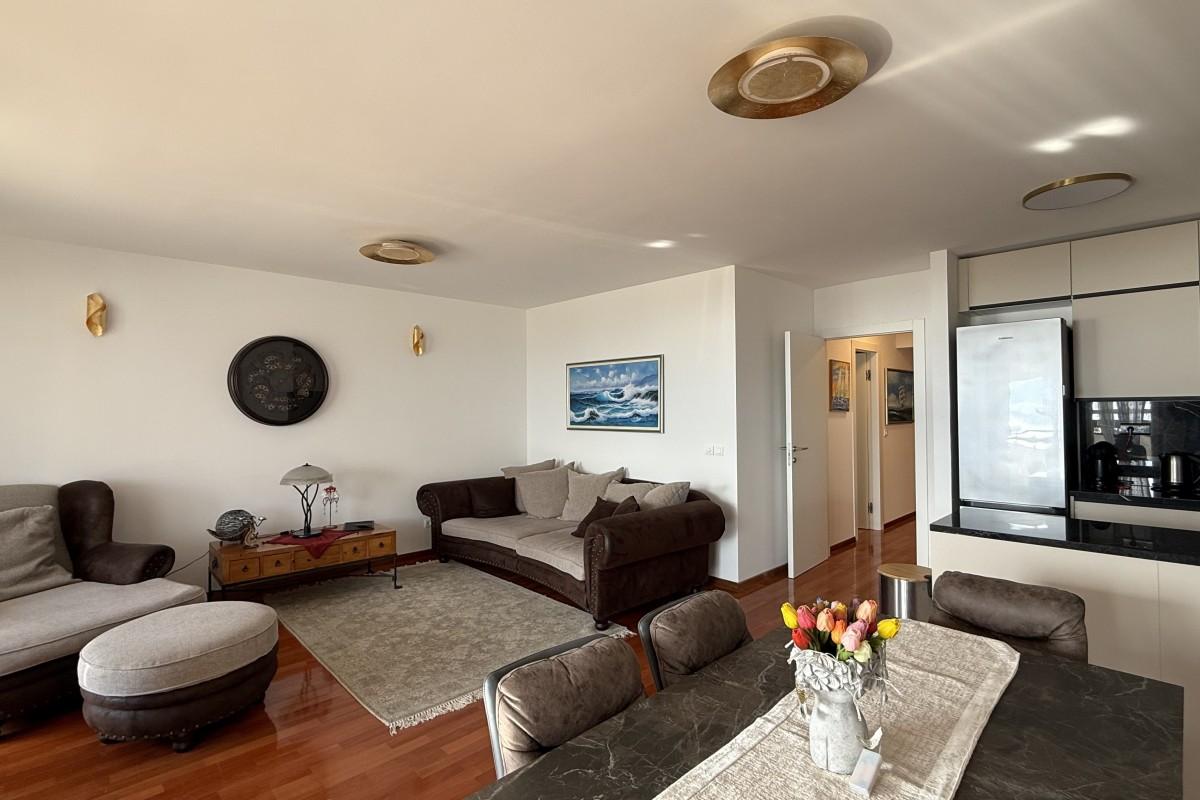
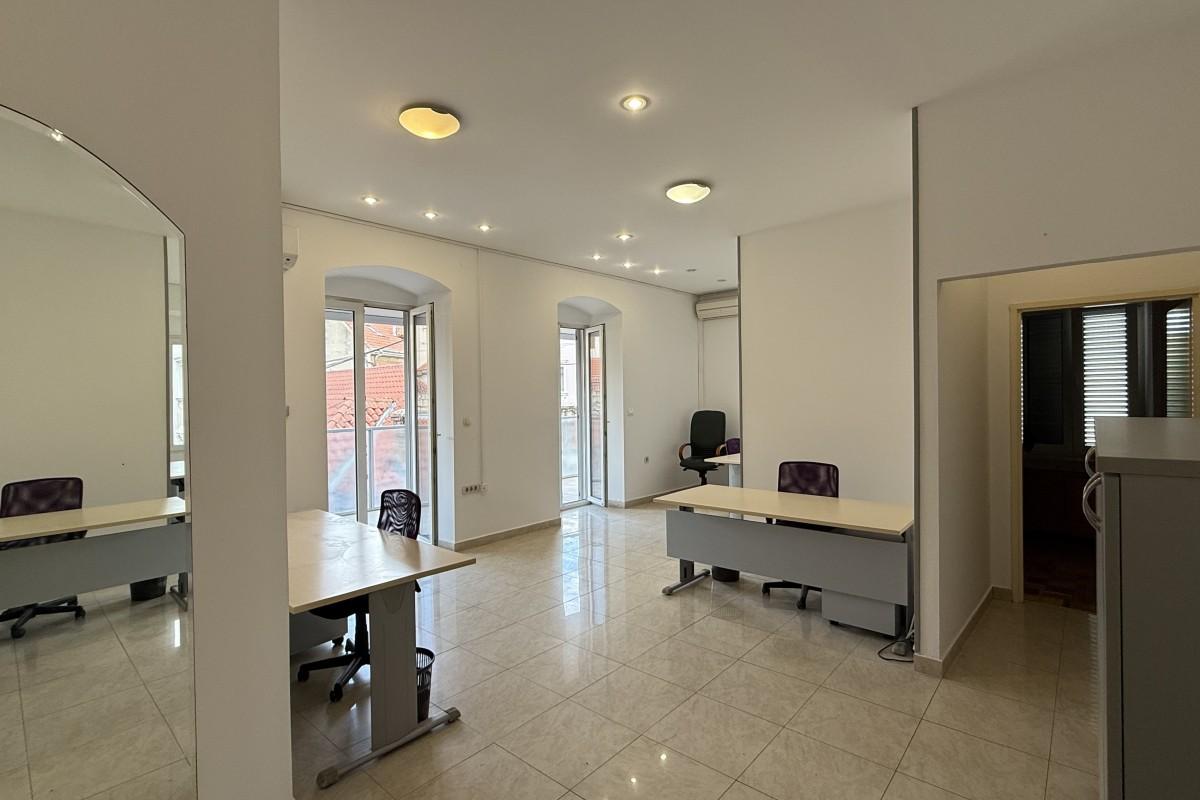
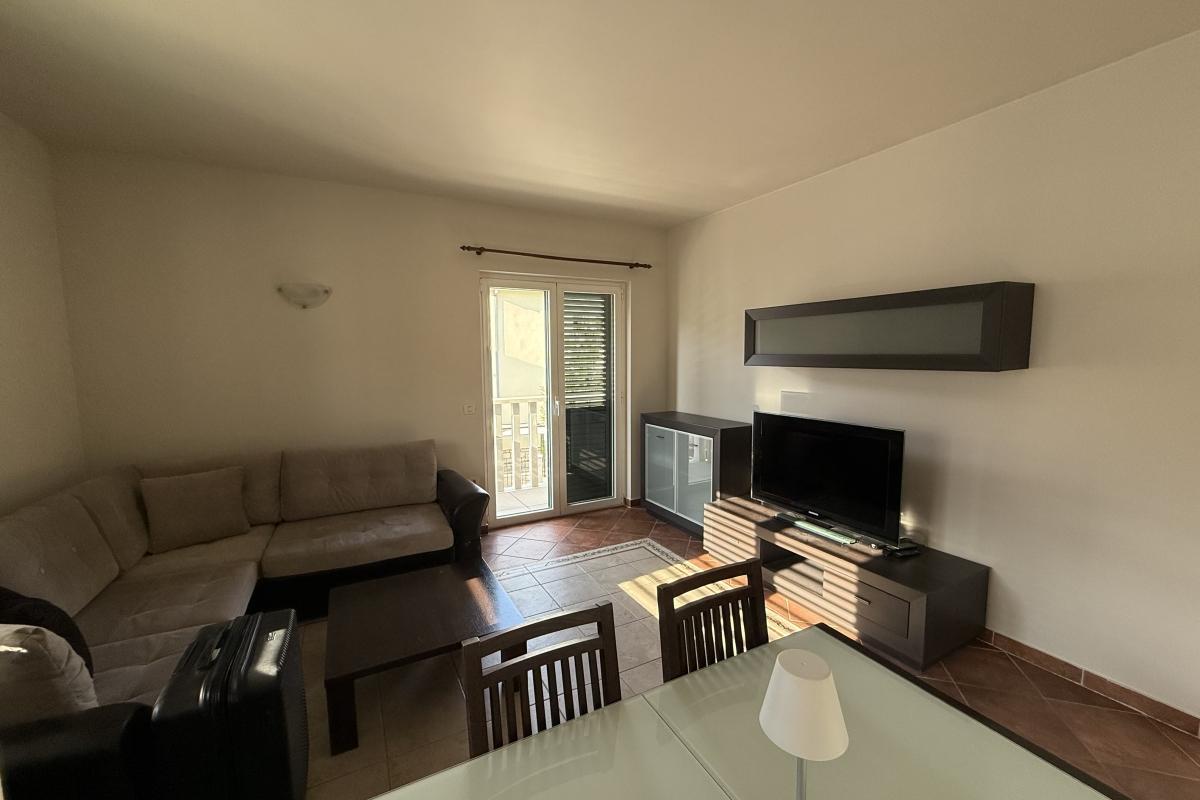
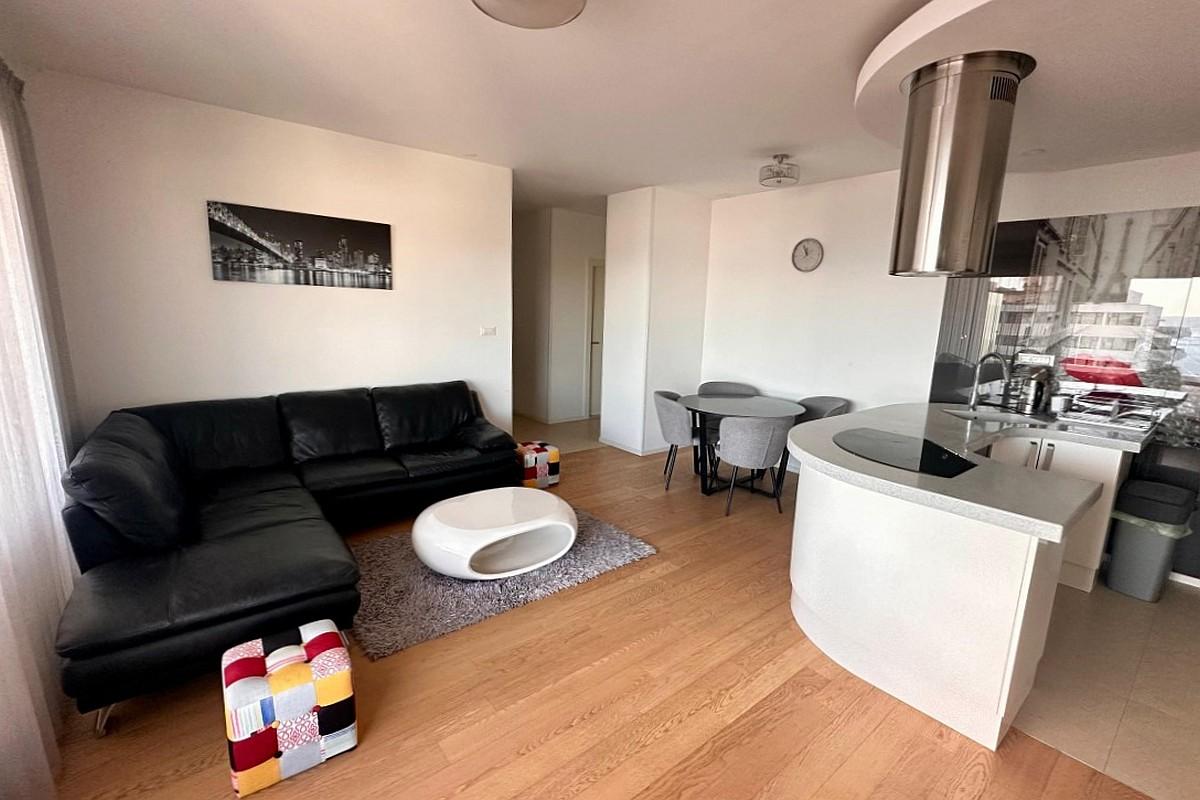
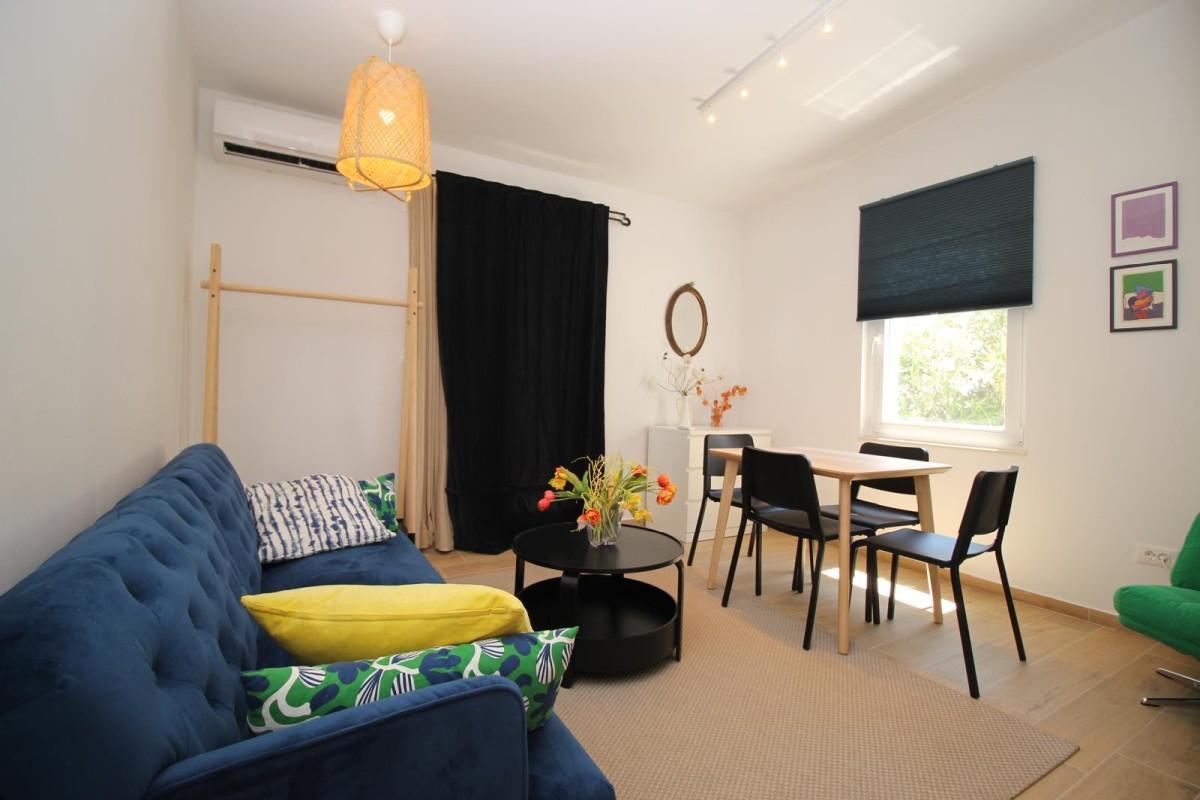
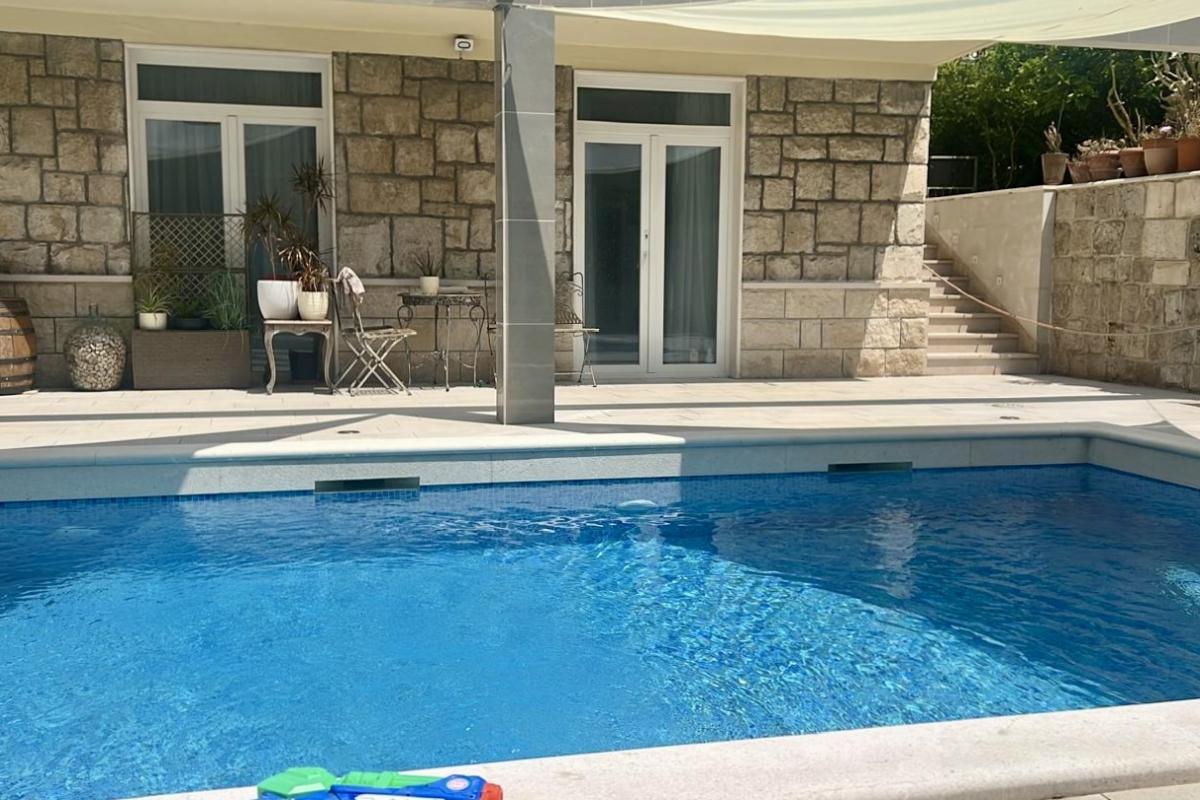
37-48 of 118 properties
Frequently asked questions
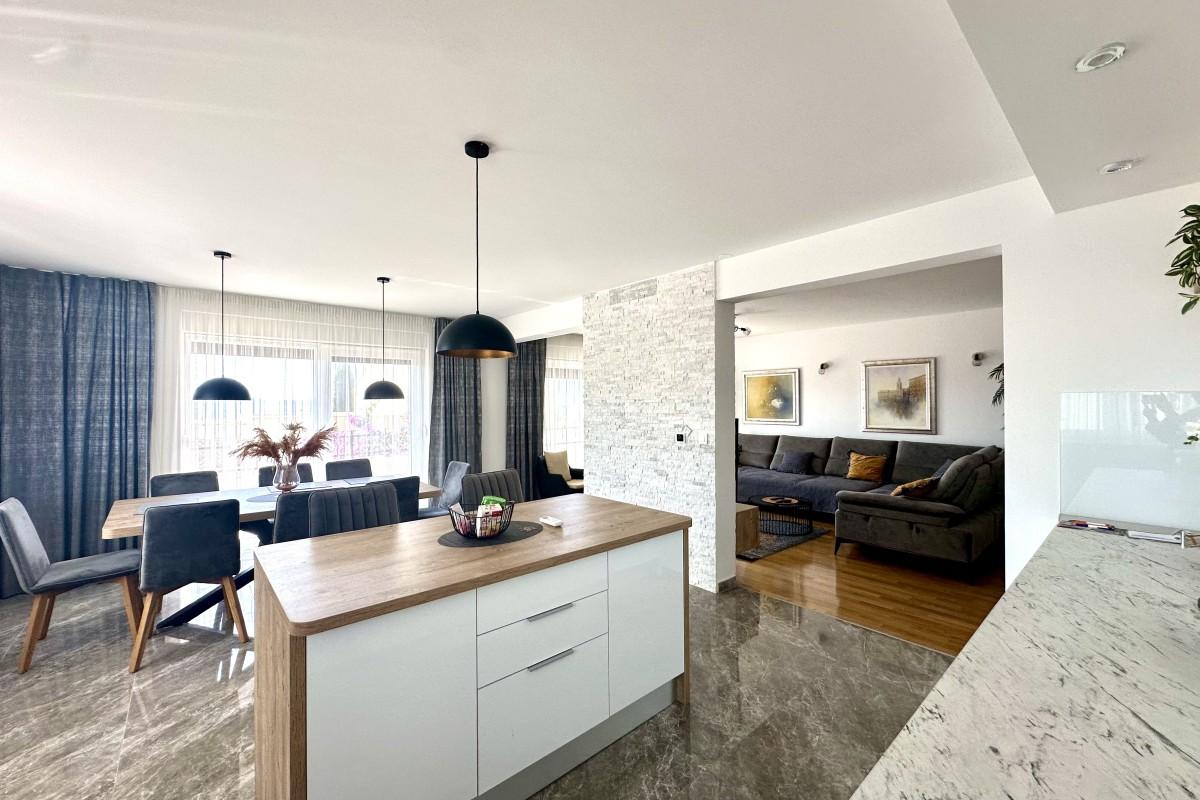
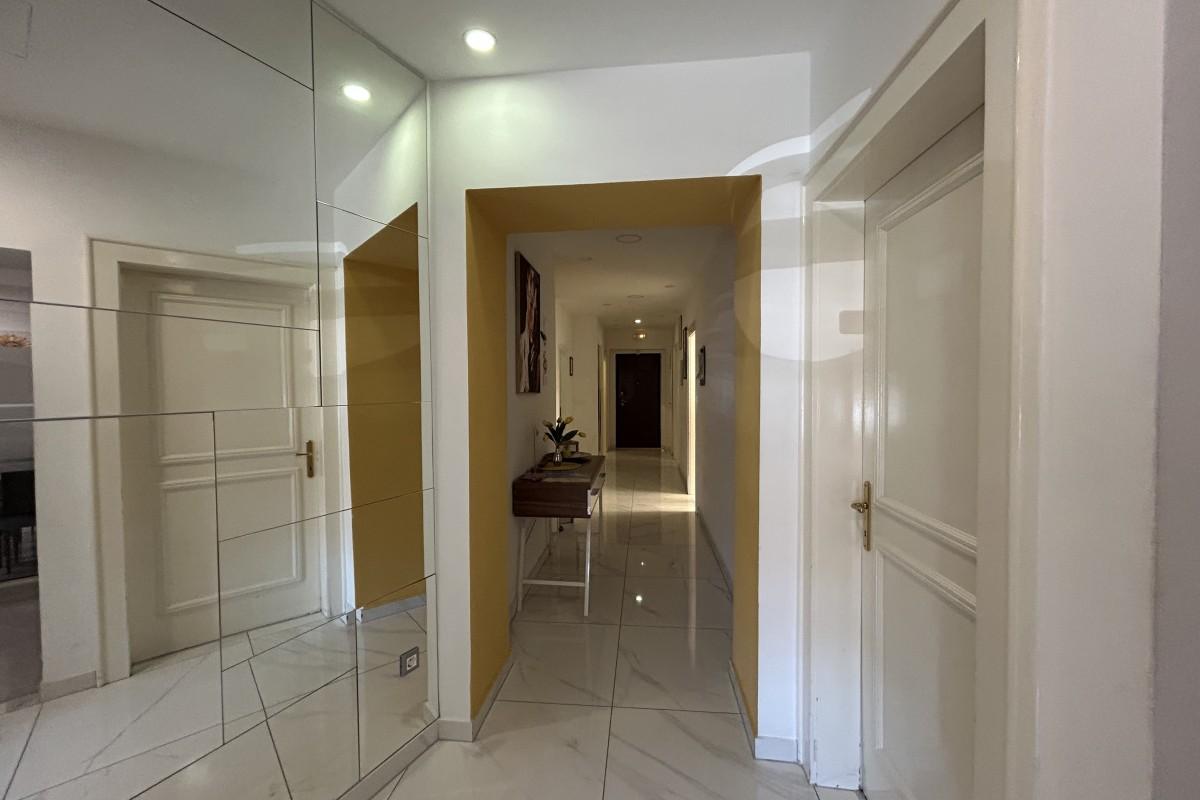
There are different types of rental properties on offer, including apartments, family houses, luxury villas and commercial premises. The selection includes properties of different sizes, locations and levels of equipment, adapted to the needs of private and business users.
What are the best locations in Croatia to buy apartments? Among the most sought-after locations for buying apartments in Croatia, coastal cities and tourist-developed regions stand out. Dubrovnik is an attractive destination due to its historical value, prestigious location and strong tourist market. Split attracts buyers with its developed infrastructure, vibrant lifestyle and combination of historical and modern construction. Istria is popular among those looking for a quieter environment, natural beauty and a quality lifestyle.
Buying a property in Croatia typically involves selecting and reserving a property (pre-contract + deposit), conducting a legal review of documentation, signing the purchase agreement before a public notary, registering ownership in the land registry, and paying the real estate transfer tax (3%, except for new builds subject to VAT). Broker guides the buyer through the entire process, ensuring legal security and a smooth transaction.
A deposit is an advance payment the buyer makes when reserving a property as a sign of serious intent. In Croatia, it is typically around 10% of the purchase price and counts toward the final price of the property.
Before purchasing, the land registry extract and encumbrances, the building and usage permits, the alignment of land registry and cadastre, and spatial planning documentation are verified. For more complex properties, additional experts such as lawyers, surveyors, or architects may be involved. The goal is to ensure full insight into the property’s condition and avoid unforeseen risks, with the support of Broker who coordinates the entire process.
The highest demand for rental properties is in larger cities and tourist-attractive areas. Coastal cities such as Split, Dubrovnik and Zadar are particularly popular, while Zagreb is the most sought-after for long-term rentals due to business and educational opportunities.
Buying property in Croatia is safe when all legal checks are performed and professional legal assistance is used. The land registry and cadastre are digitalized and transparent, and public notaries ensure the authenticity of documentation. With the professional support of Broker and legal advisors, risks are minimized and the process is legally secure.
The property purchase process in Croatia usually takes from a few days to several weeks, depending on the completeness of the documentation, the buyer’s status, and required verifications. Domestic buyers in straightforward cases can complete the purchase very quickly, while for buyers outside the EU/EEA the process may take longer due to additional approvals. Broker provides an exact timeframe after reviewing the documentation.
Yes. Citizens of the EU/EEA can purchase property without restrictions, while citizens from outside the EU require reciprocity confirmation and approval from the Ministry of Justice. Foreigners can also obtain a mortgage loan, with varying conditions depending on nationality. The purchase agreement can be signed and notarized abroad (at a consulate or with a local notary, often with an Apostille), and the document is then submitted for registration in Croatia.