
Luxury Villas in Dubrovnik for Sale
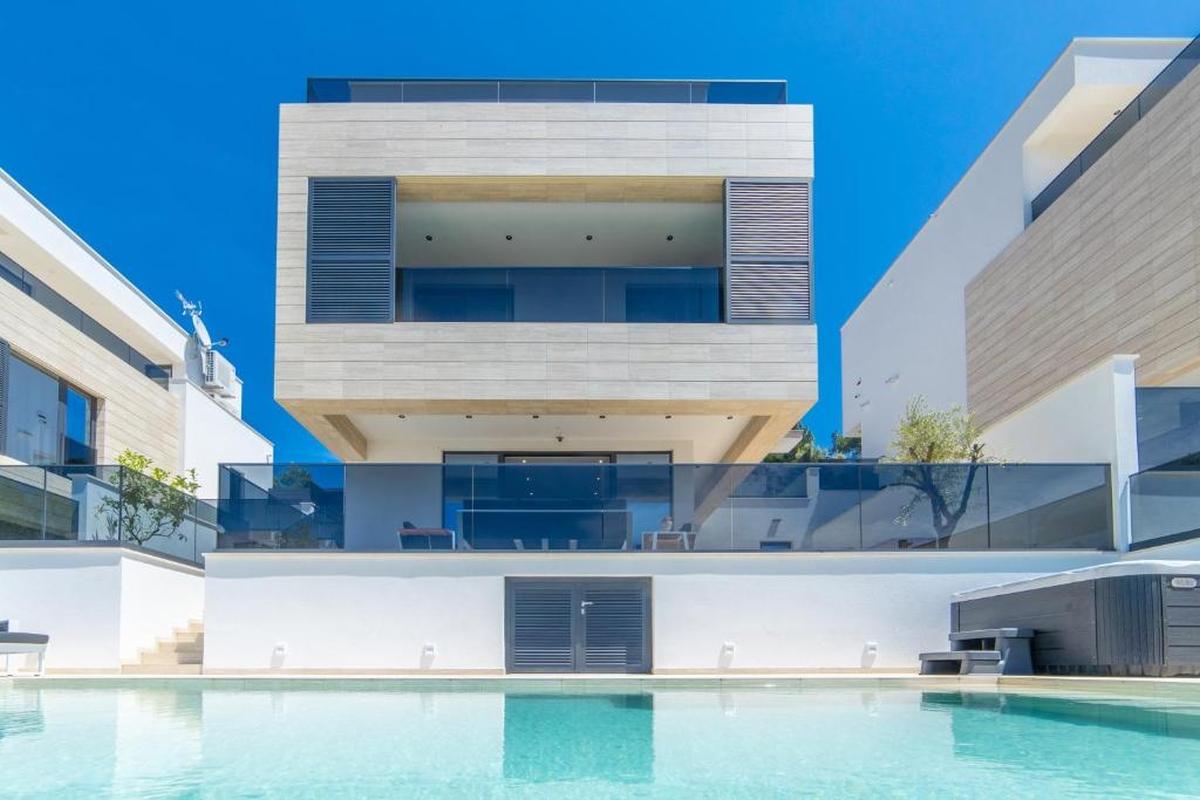
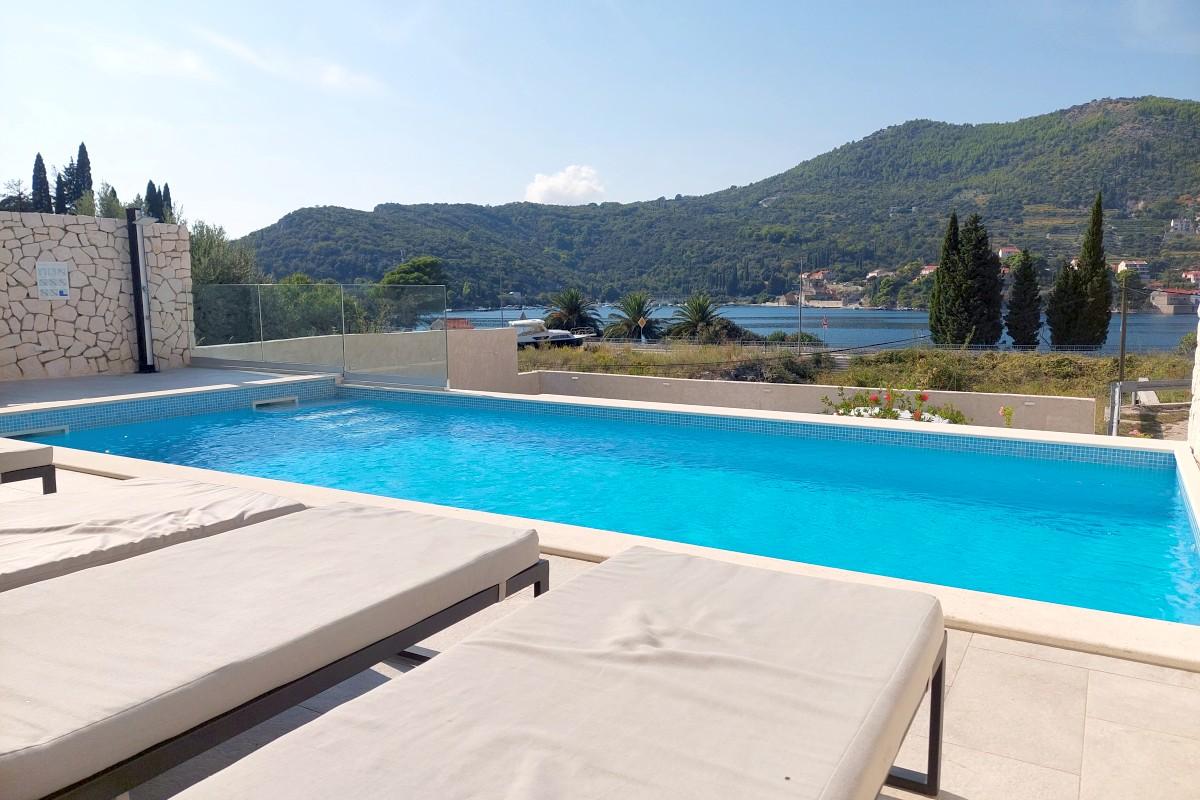
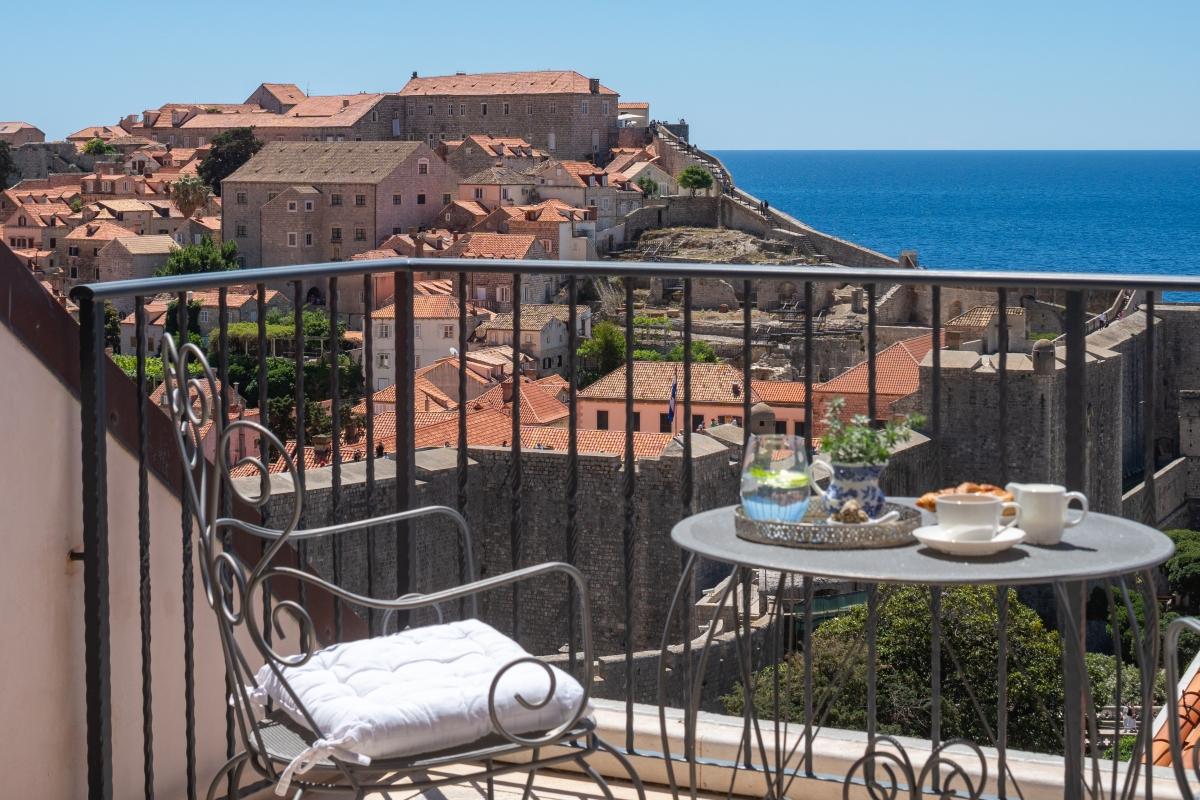
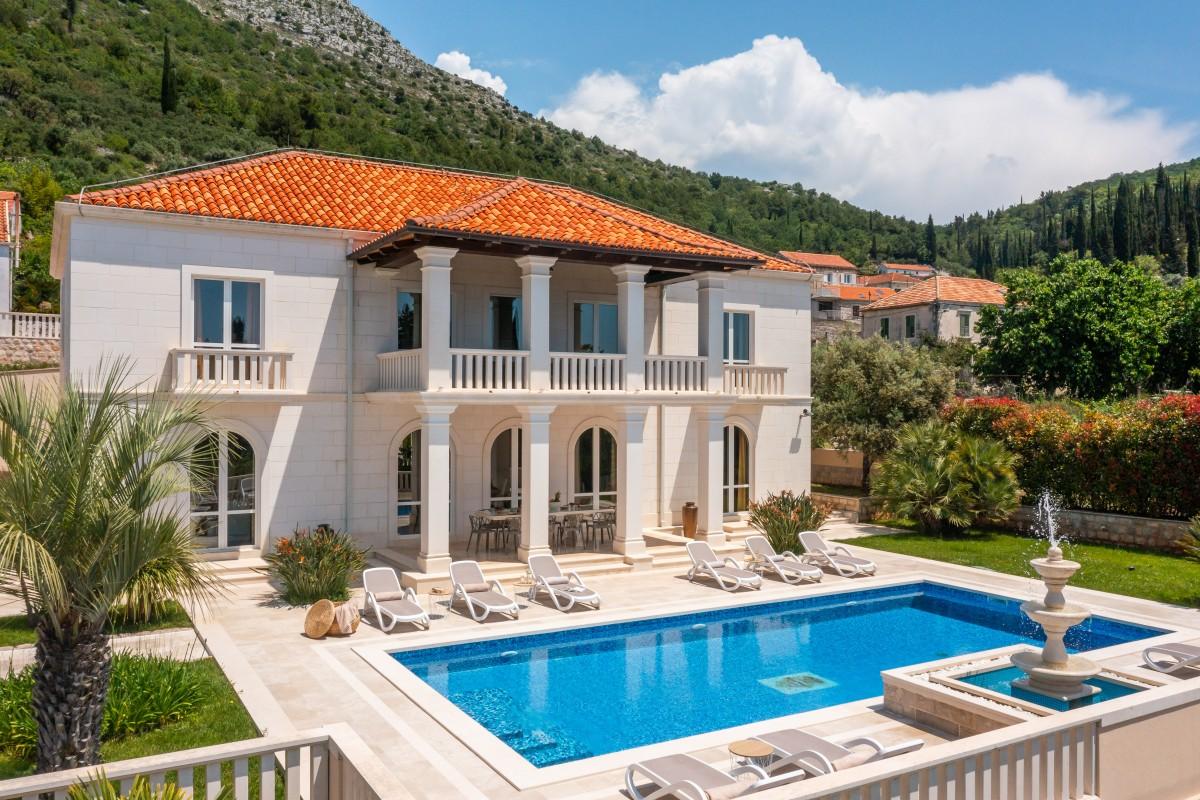
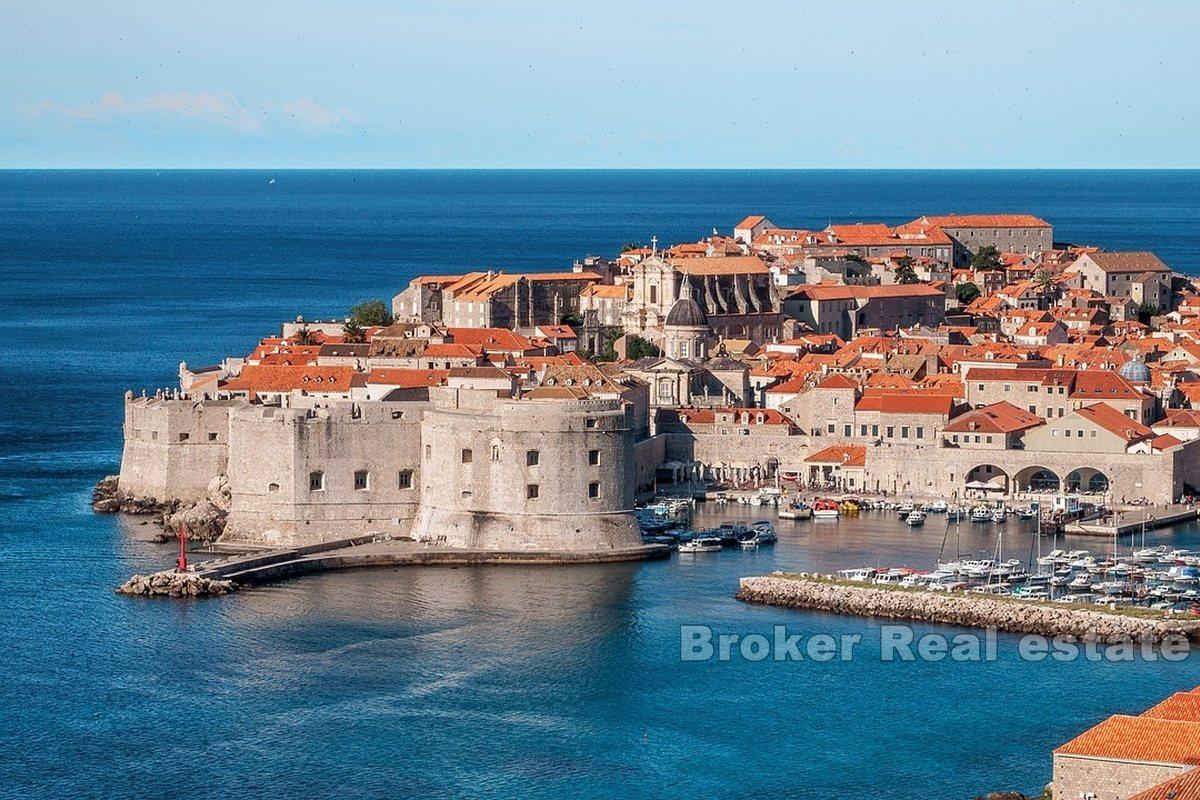
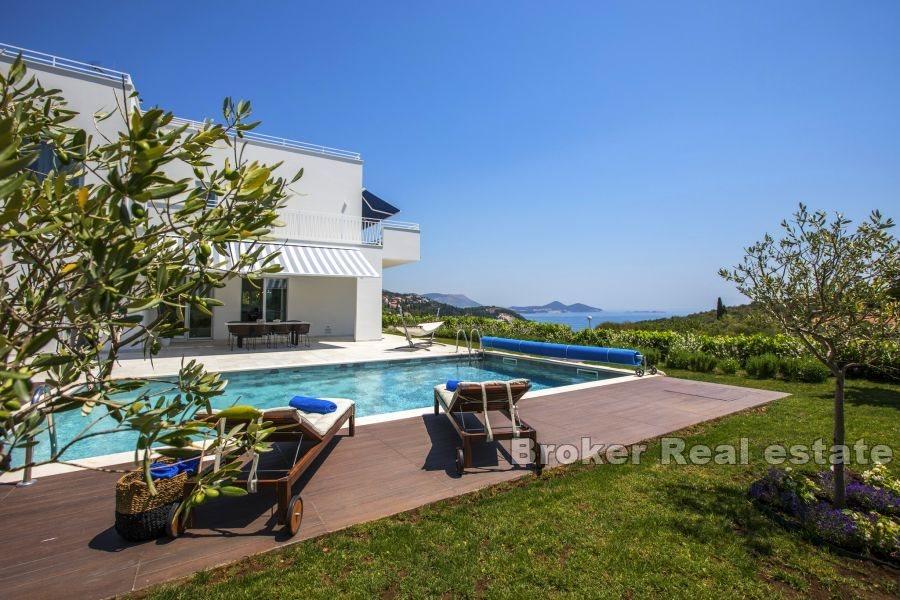
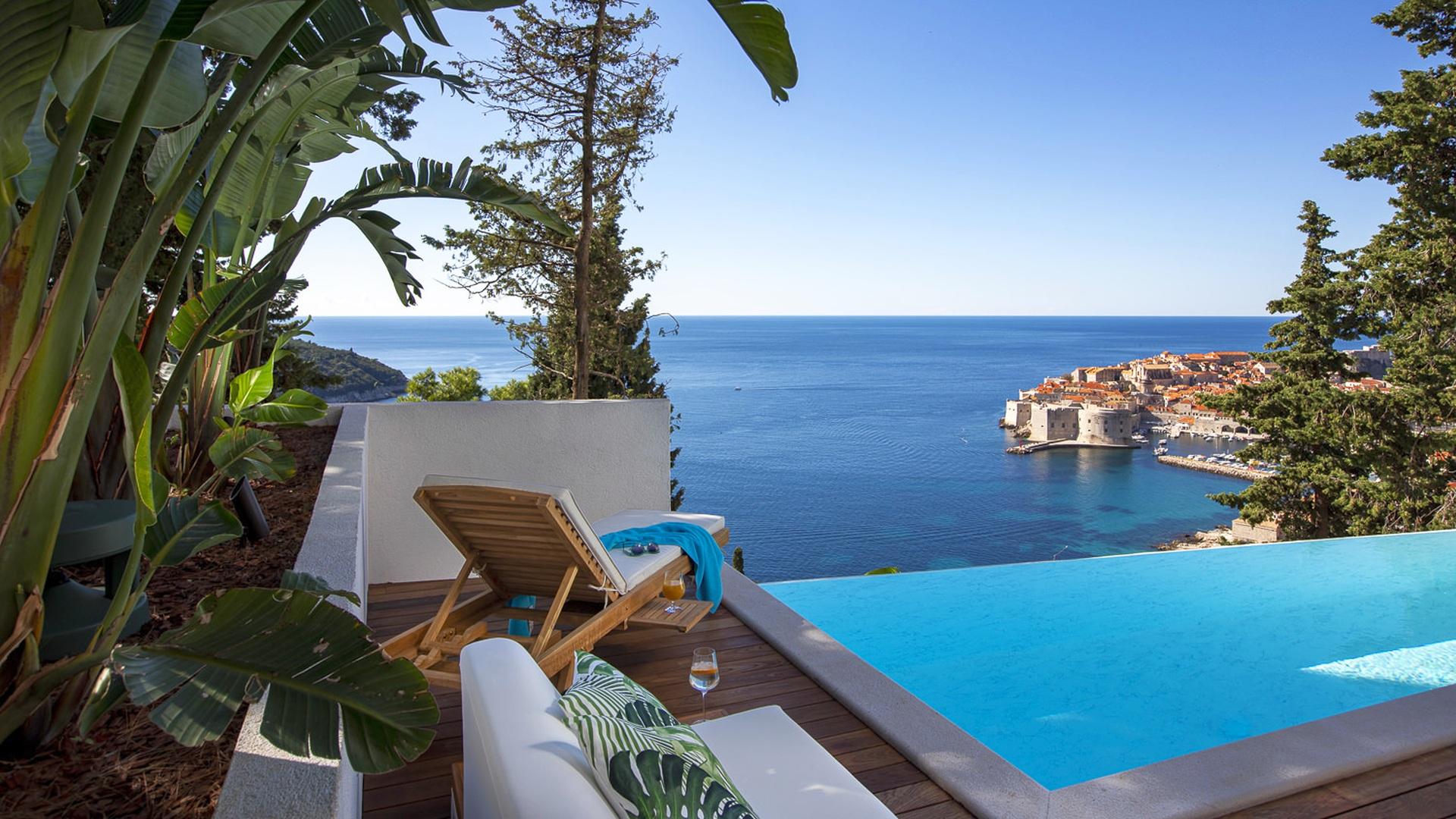
Dubrovnik, a UNESCO World Heritage city, is known for its history and luxury. Our collection of luxury villas in Dubrovnik includes estates with private pools, large terraces, Mediterranean gardens, and spectacular sea views. Ideal for those seeking a property for private vacations, residential life, or exclusive investment. Also view our luxury apartments and new developments in Dubrovnik in elite locations.
Search results
Frequently asked questions
Yes. Citizens of the EU/EEA can purchase property without restrictions, while citizens from outside the EU require reciprocity confirmation and approval from the Ministry of Justice. Foreigners can also obtain a mortgage loan, with varying conditions depending on nationality. The purchase agreement can be signed and notarized abroad (at a consulate or with a local notary, often with an Apostille), and the document is then submitted for registration in Croatia.
Although the price is always expressed in euros, payments from abroad may be made in other currencies, which the bank automatically converts into euros at the applicable exchange rate. It is important that the seller receives the amount agreed in the contract, so prior consultation with the bank is recommended due to exchange rates and potential fees.
The tax liability arises at the time of concluding a contract or other legal transaction by which real estate is acquired. The notary is obliged, within 30 days of signing the sales document, to submit a copy of the document to the Tax Administration according to the location of the real estate. After the Tax Administration issues a decision on determining the real estate transfer tax, the taxpayer is obliged to pay the determined tax within 15 days of the date of delivery of the decision.
Yes, you can sign and notarize a property purchase agreement abroad. Croatian citizens can do this at a Croatian diplomatic mission, while foreign citizens notarize the agreement with a local notary, often with an Apostille stamp to ensure it is valid in Croatia. After notarization, the document is sent to Croatia for registration in the land registry, with guidance and coordination provided by Broker and the lawyer.
A deposit is an advance payment the buyer makes when reserving a property as a sign of serious intent. In Croatia, it is typically around 10% of the purchase price and counts toward the final price of the property.
Real estate transfer tax in Croatia is 3% and is paid by the buyer, except for new builds subject to VAT. The tax obligation arises upon signing the purchase agreement, after which the Tax Administration issues a decision that must be paid within 15 days of receipt. The notary submits the agreement to the Tax Administration, and Broker assists the buyer throughout the entire process.