
Old Stone Houses for Sale
Stone houses carry the character of the land and a way of life that has been nurtured in these areas for centuries. The Croatian Adriatic coast, the Istrian hinterland and the Dalmatian interior hide thousands of such houses – from homes surrounded by nature and traditional landscapes to impressive stone mansions right by the sea.
The selection includes houses in the centres of old towns such as Dubrovnik, Split and Šibenik, estates and villas with pools, family houses suitable for tourism, as well as properties in quieter parts of the islands such as Brač, Hvar, Korčula and Vis. Some houses are fully renovated and ready to move into, while others offer the opportunity for renovation according to your own wishes. In both cases, it is worth knowing that stone houses are perfectly suited to the Mediterranean climate – they keep a pleasant coolness in summer and warmth in winter.
If you would like to explore in more detail and find a property that matches your style and way of life, browse our properties for sale from the top selection.
Search results
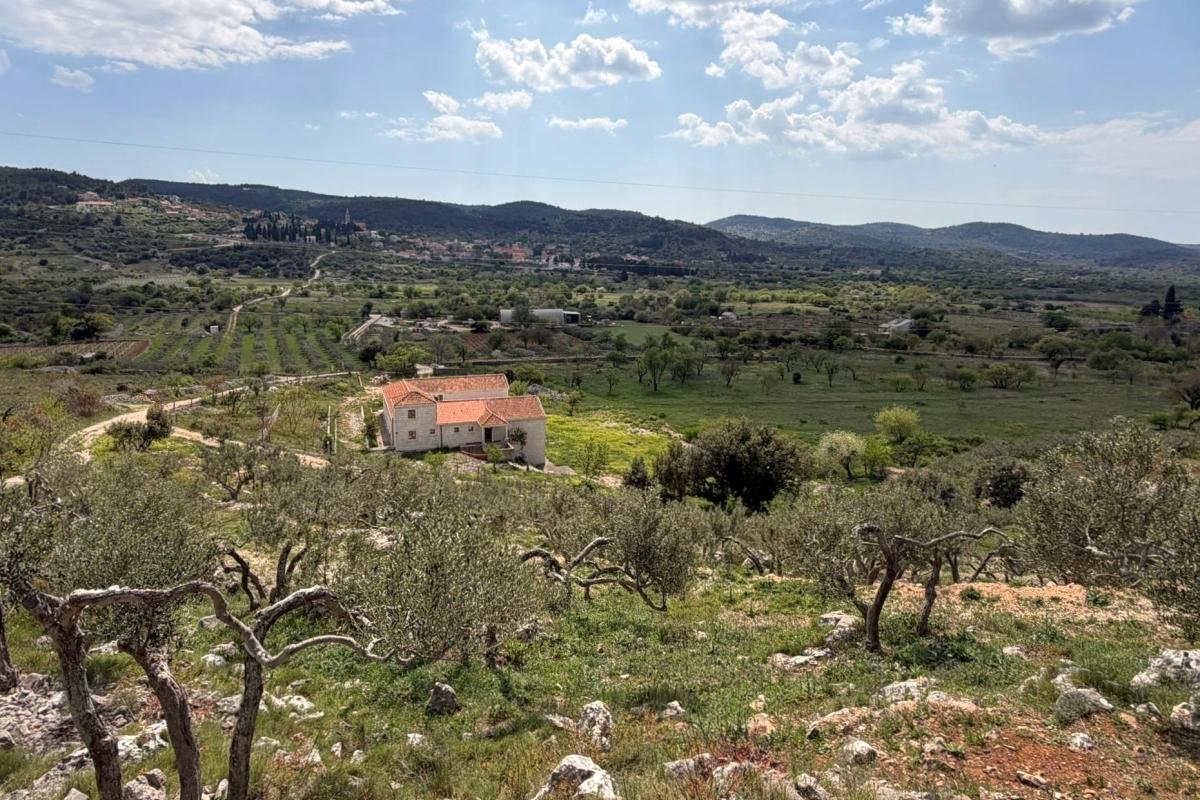
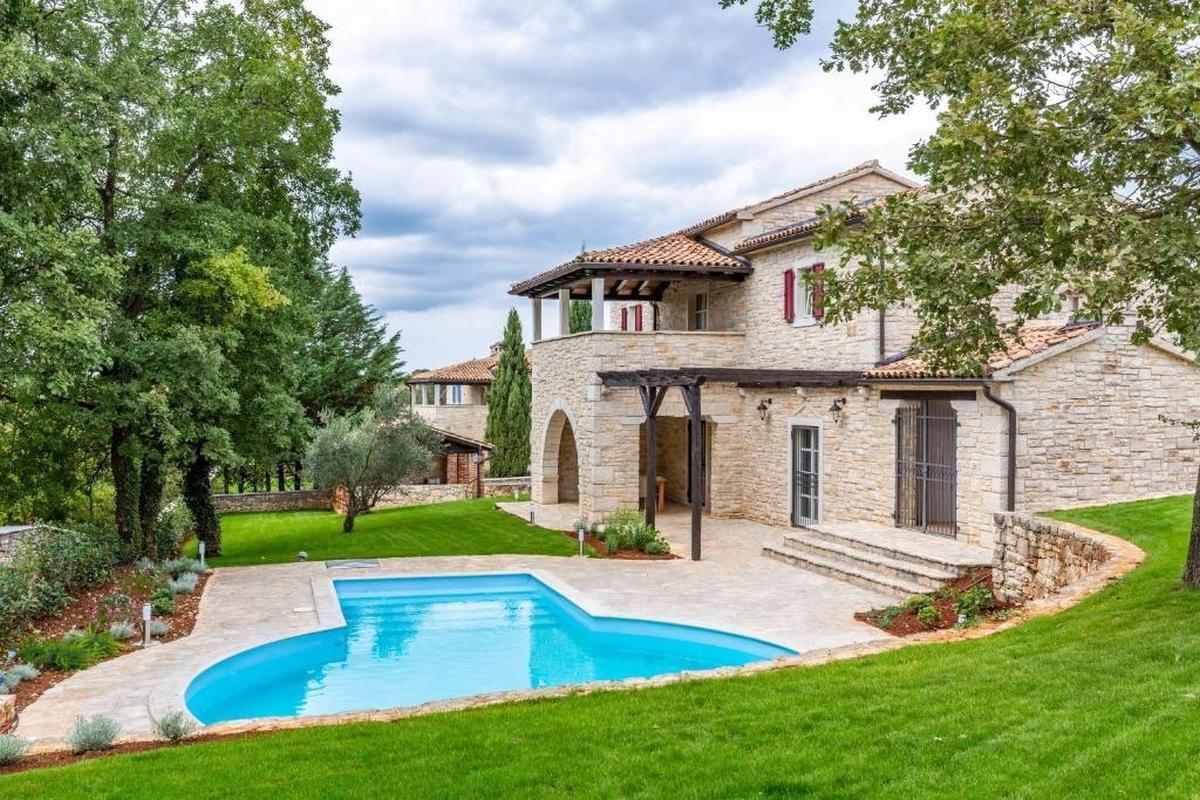
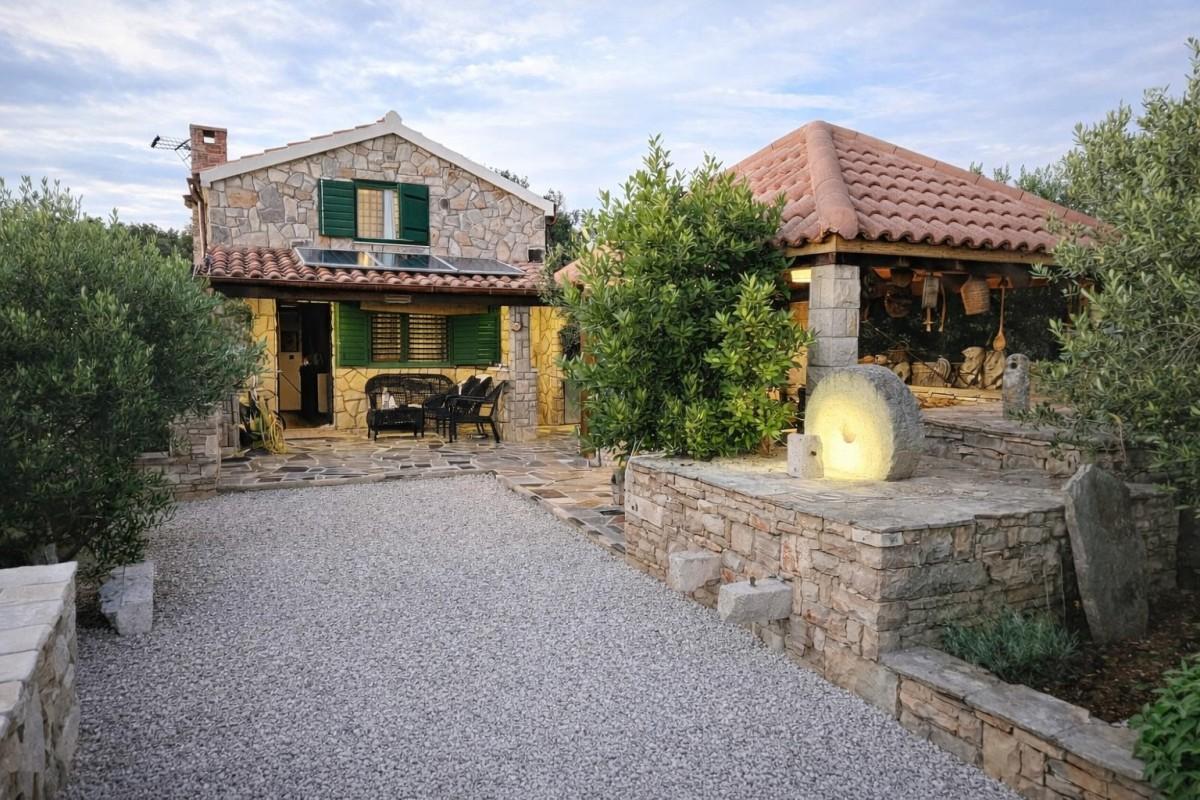
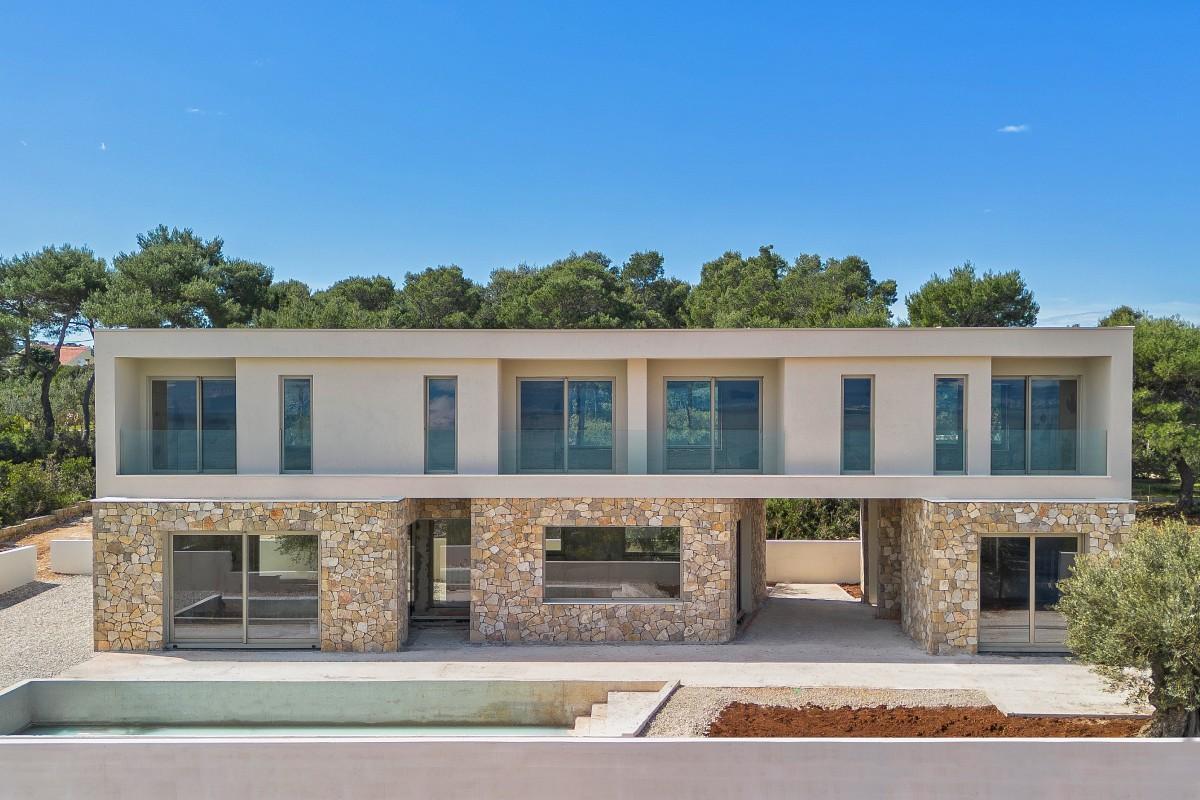
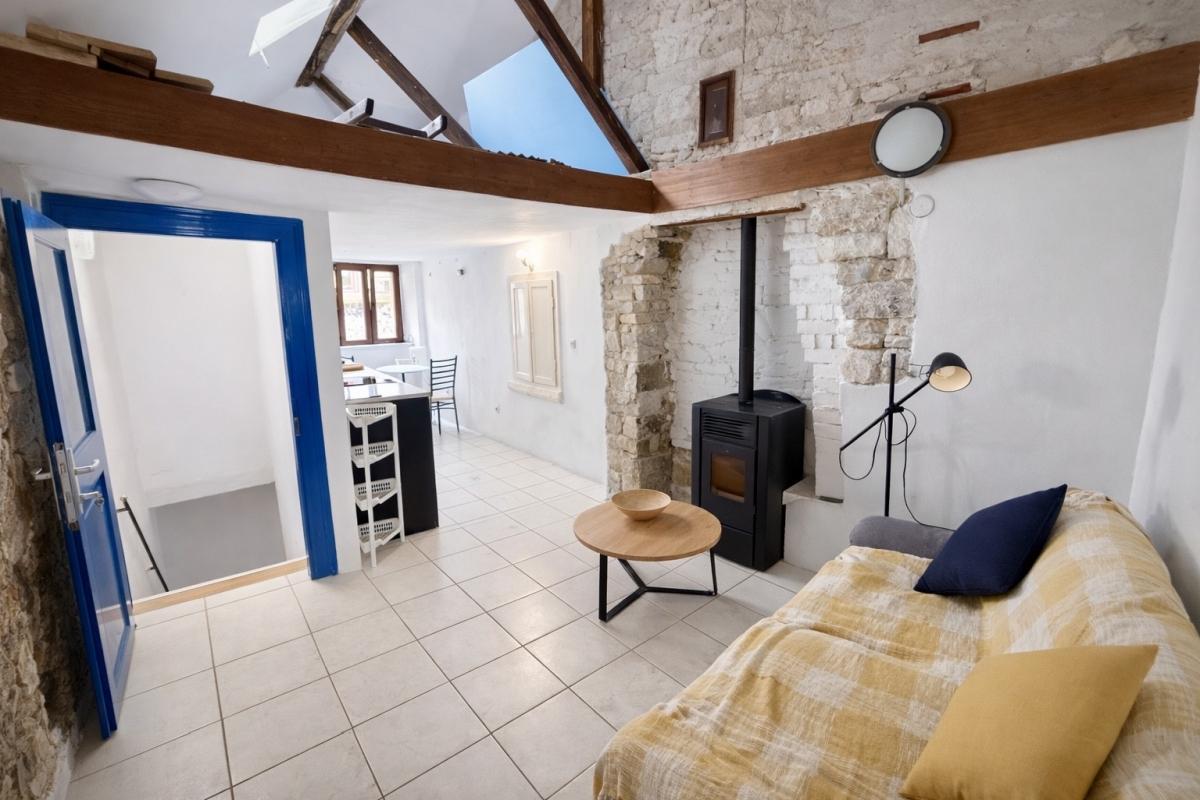
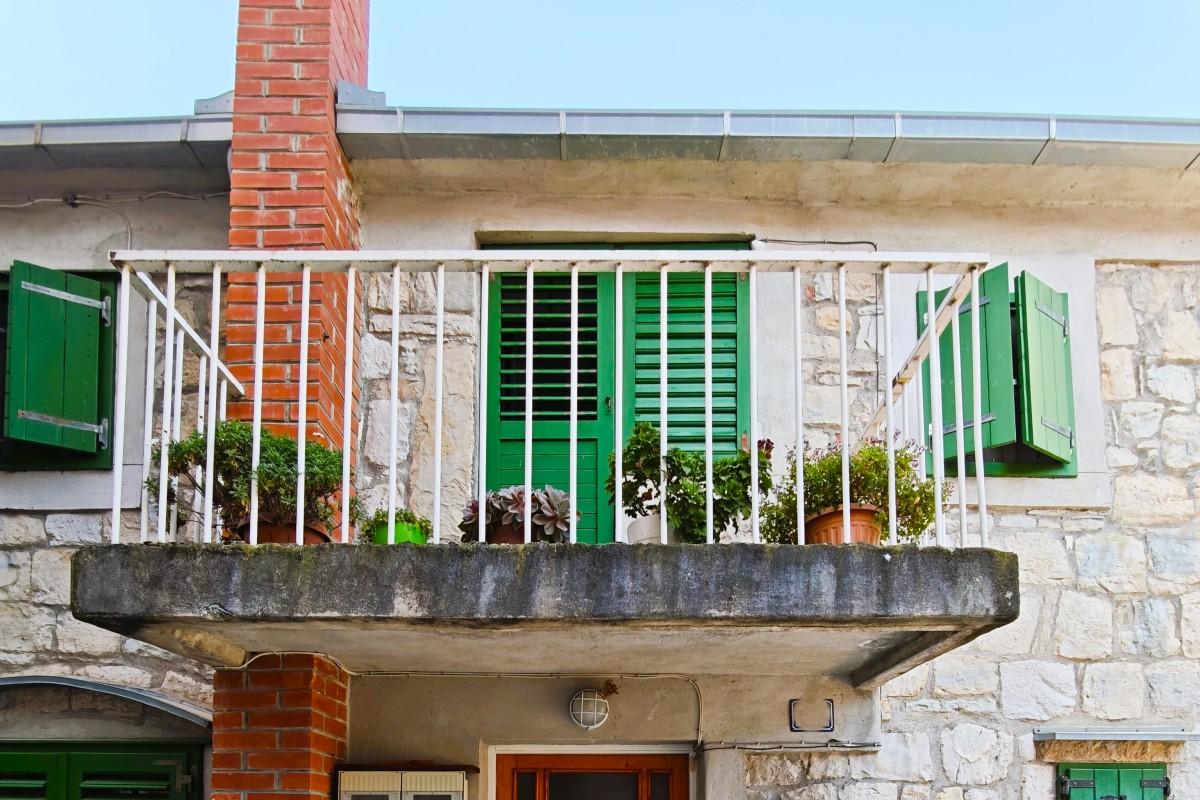
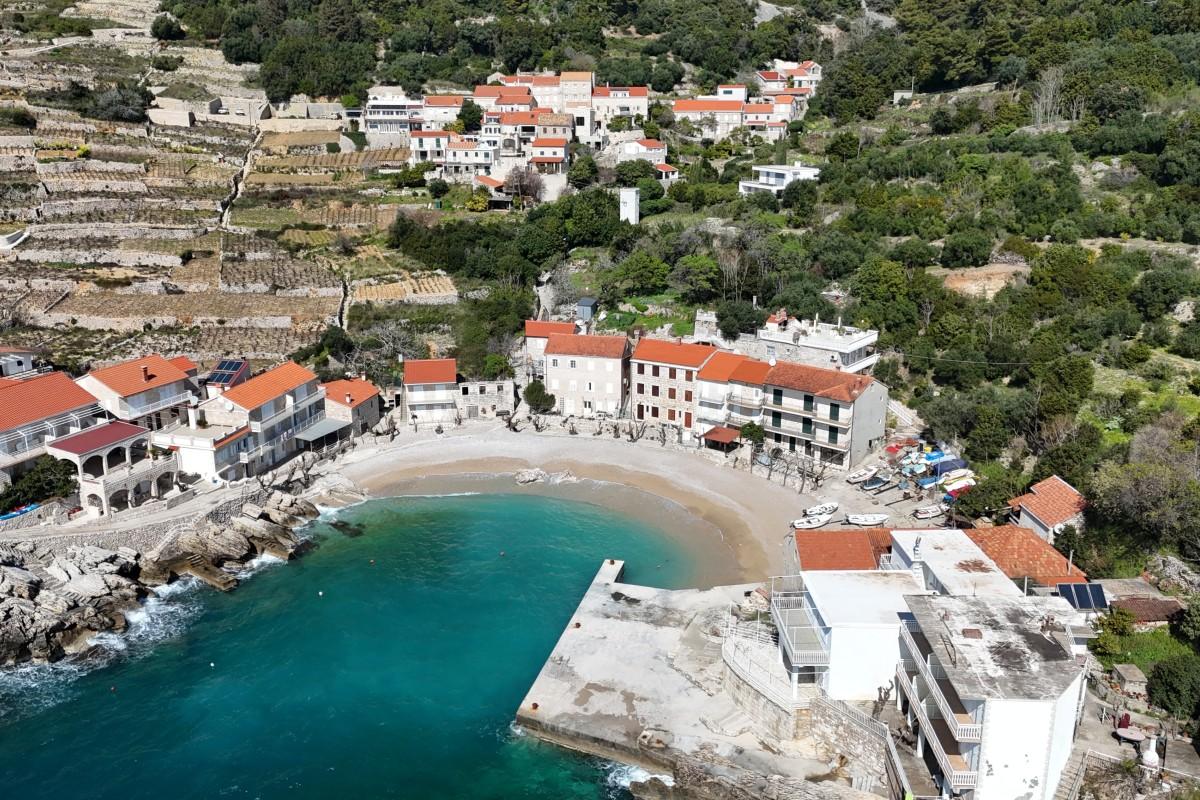
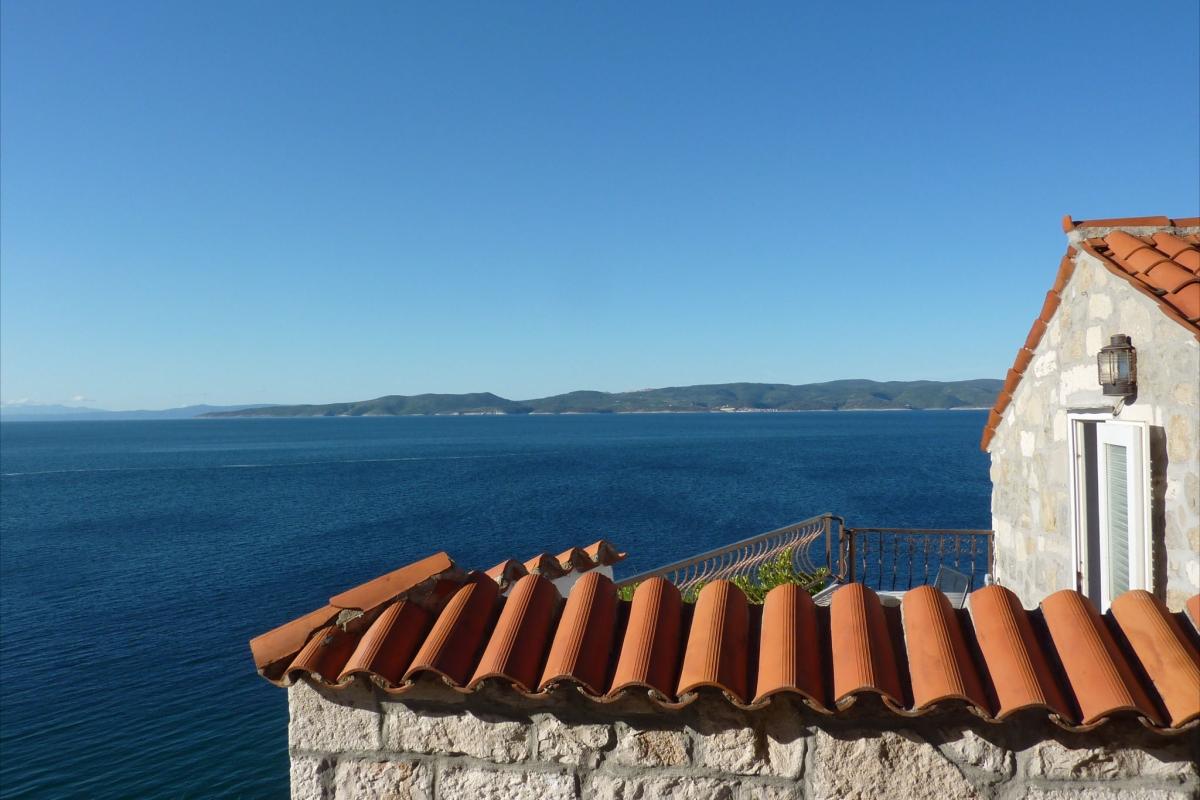
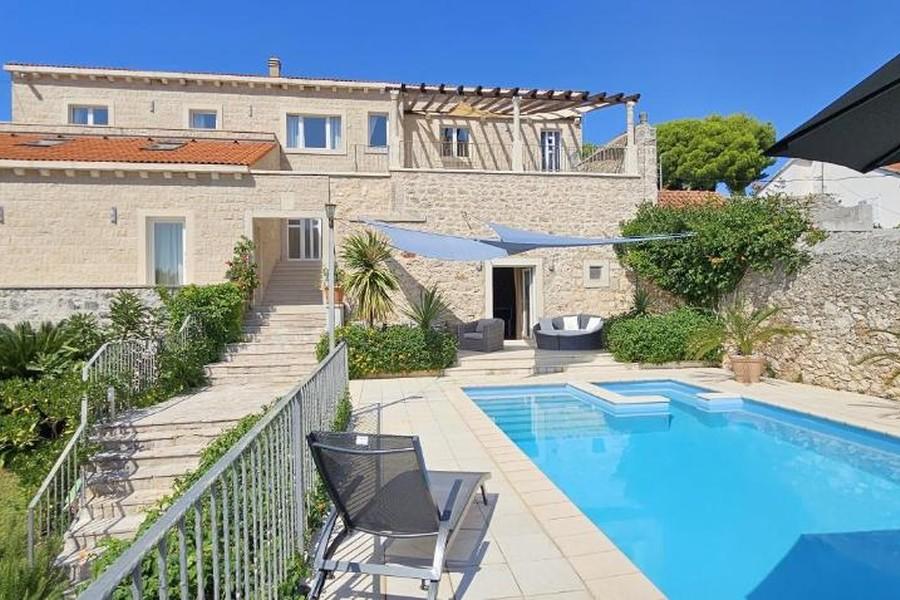
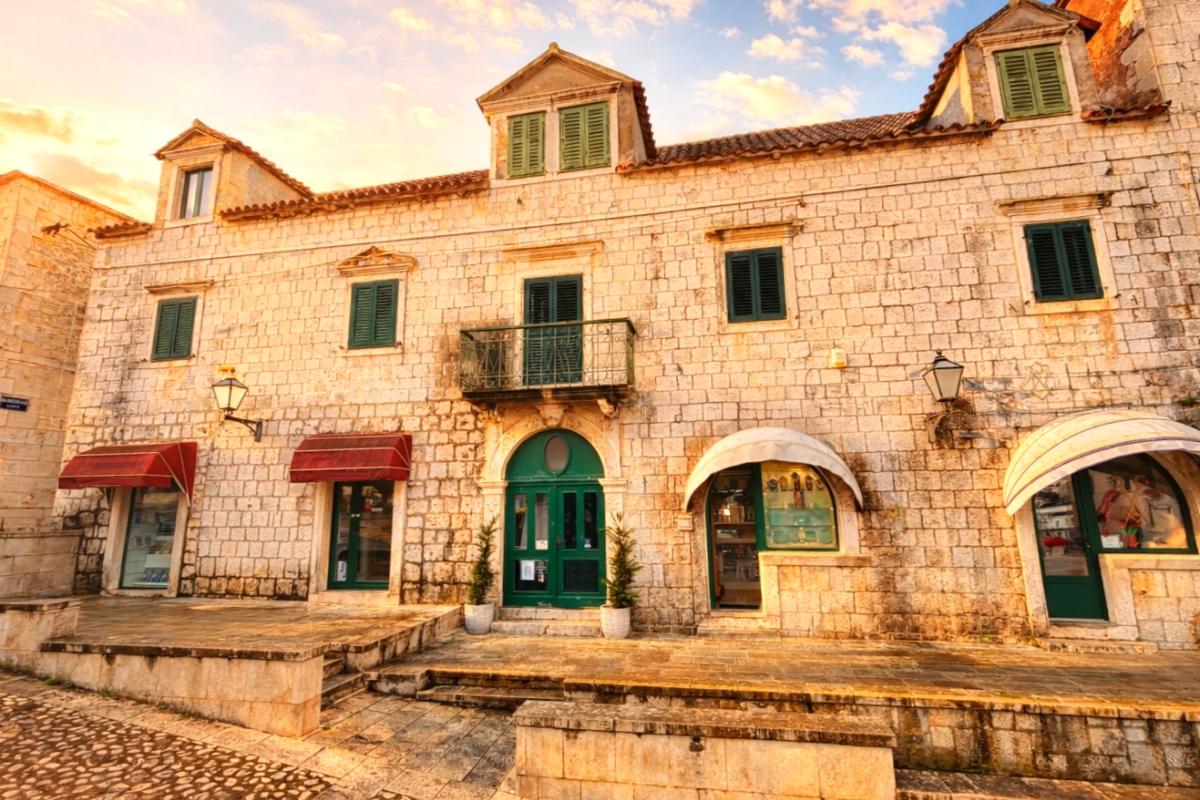
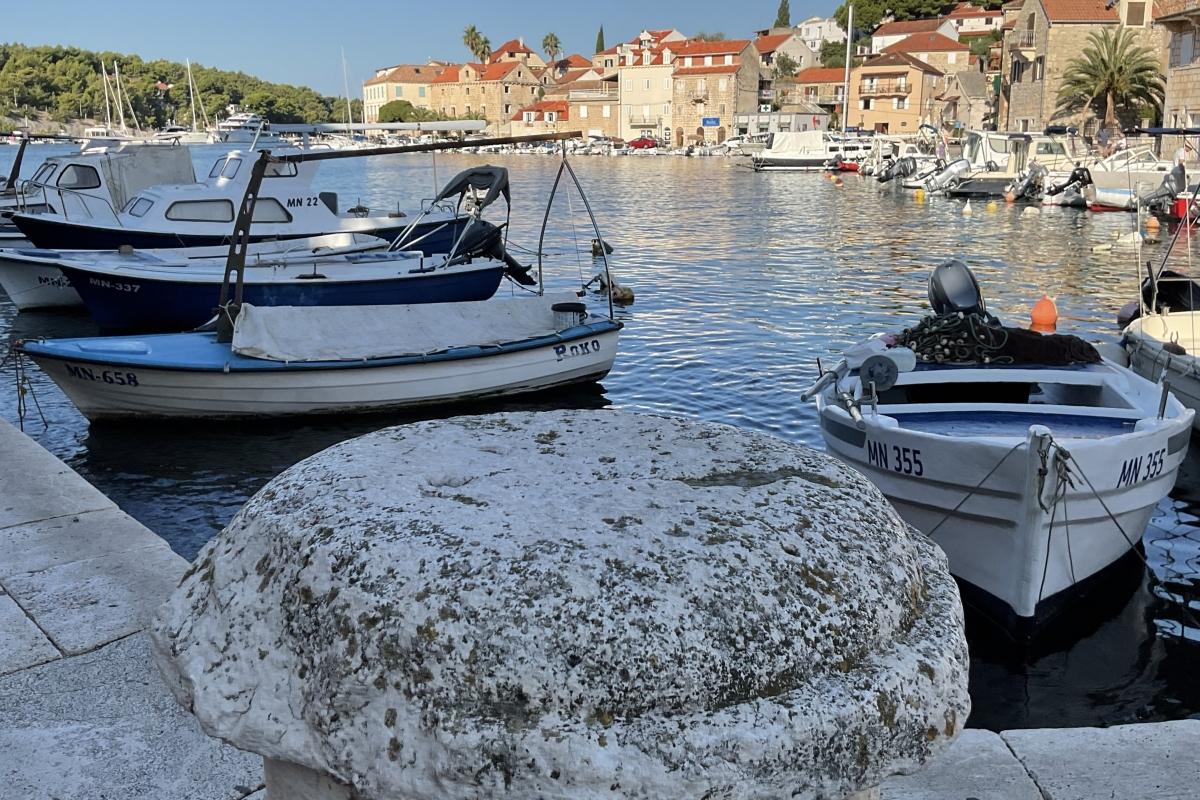
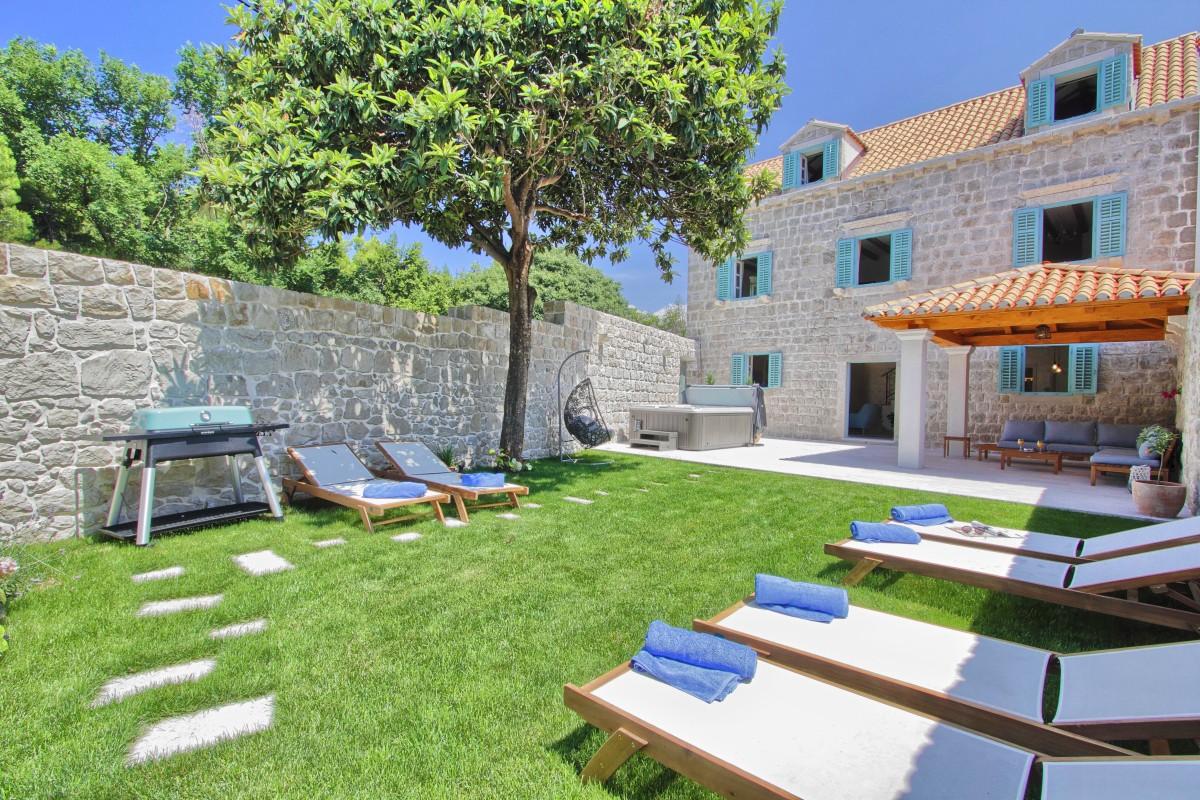
49-60 of 206 properties
Frequently asked questions
Yes. Citizens of the EU/EEA can purchase property without restrictions, while citizens from outside the EU require reciprocity confirmation and approval from the Ministry of Justice. Foreigners can also obtain a mortgage loan, with varying conditions depending on nationality. The purchase agreement can be signed and notarized abroad (at a consulate or with a local notary, often with an Apostille), and the document is then submitted for registration in Croatia.
Although the price is always expressed in euros, payments from abroad may be made in other currencies, which the bank automatically converts into euros at the applicable exchange rate. It is important that the seller receives the amount agreed in the contract, so prior consultation with the bank is recommended due to exchange rates and potential fees.
The tax liability arises at the time of concluding a contract or other legal transaction by which real estate is acquired. The notary is obliged, within 30 days of signing the sales document, to submit a copy of the document to the Tax Administration according to the location of the real estate. After the Tax Administration issues a decision on determining the real estate transfer tax, the taxpayer is obliged to pay the determined tax within 15 days of the date of delivery of the decision.
Yes, you can sign and notarize a property purchase agreement abroad. Croatian citizens can do this at a Croatian diplomatic mission, while foreign citizens notarize the agreement with a local notary, often with an Apostille stamp to ensure it is valid in Croatia. After notarization, the document is sent to Croatia for registration in the land registry, with guidance and coordination provided by Broker and the lawyer.
A deposit is an advance payment the buyer makes when reserving a property as a sign of serious intent. In Croatia, it is typically around 10% of the purchase price and counts toward the final price of the property.
Real estate transfer tax in Croatia is 3% and is paid by the buyer, except for new builds subject to VAT. The tax obligation arises upon signing the purchase agreement, after which the Tax Administration issues a decision that must be paid within 15 days of receipt. The notary submits the agreement to the Tax Administration, and Broker assists the buyer throughout the entire process.
In the case of real estate exchange, the real estate transfer tax is 3%. Each party in the exchange is considered the acquirer of the real estate, so each owner is required to pay a tax of 3% on the estimated market value of the real estate acquired through the exchange.